Picture yourself as Alex, the desk-bound marketer dragging home after a 45-minute commute. Screens all day, takeout for dinner, and zero energy left. Sound familiar? That’s where a gentle beginner workout schedule steps in—no gym memberships, no fancy gear, just smart moves to rebuild momentum without the overwhelm.
This blueprint keeps it real for urban life. Benefits? Better sleep after late nights, looser shoulders from hunching over laptops, and that quiet win of sticking to something sustainable. We’re talking low-effort flows that fit small apartments or office corners, mixing movement with rest to dodge burnout.
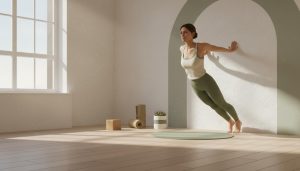
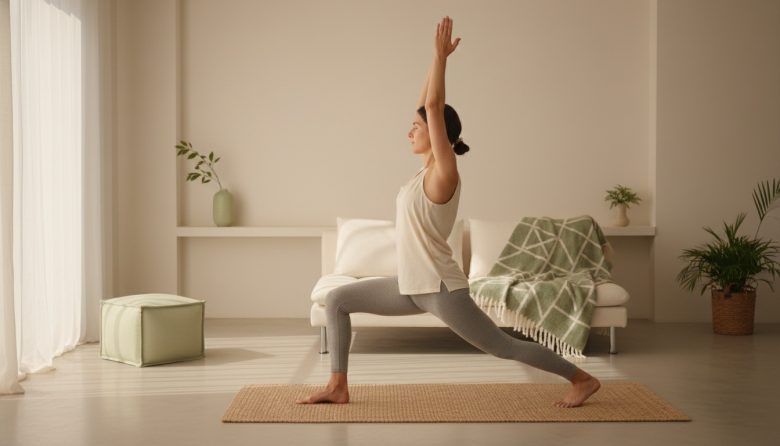
Imagine snapping a quick photo of yourself in a simple standing arm circle—arms loose, circling slow like stirring coffee. Or a wall lean stretch, palms flat, easing into your desk day’s tension. These aren’t pro-athlete poses; they’re for real people resetting post-commute.
Ready to map your week? Follow this guide to craft a schedule that sticks. Start small, feel good, and watch consistency build. Your first flow awaits—grab a timer and let’s go.
Spot Your Starting Line in a Packed Week
Begin with honesty. Jot down your energy peaks: mornings before the commute, or evenings after screens dim? Factor in space—a tiny apartment means wall or chair moves only.
Take Sarah, a freelance writer in a studio flat. Her desk eats half her day; late dinners kill motivation. She assesses: 10 minutes max post-coffee, zero floor space. No equipment needed—just bodyweight basics.
Self-check questions: How’s your commute fatigue? Desk posture screaming? Track one week in your phone notes. This sets a realistic baseline, skipping the all-or-nothing trap.
Link it to a simple daily hydration and stretch plan for extra ease. Hydrate first, then move—your body thanks you.
Map a 7-Day Flow That Actually Sticks
Core rule: Balance is key. Alternate gentle flows with rest to let muscles recover. Aim for 15 or 25 minutes, focusing on feel-good poses over reps.
Mix standing stretches, slow walks, and seated twists. Picture a photo of shoulder rolls: stand tall, roll back slow, breathe deep. Another: ankle circles at your desk, feet flexing easy.
For newbies, prioritize consistency over intensity. One example week: Monday light flow, Tuesday rest, building gently. Adjust for your rhythm—screens heavy? Evening walks win.
Embrace variety to keep it fresh. When considering a beginner’s guide to home bodyweight exercises, weave in these flows for a seamless start. Your schedule blueprint follows.
| Day of Week | 15-Min Flow (Low Effort) | 25-Min Flow (Build-Up) | Rest/Active Recovery | Notes |
|---|---|---|---|---|
| Monday | Standing arm circles (2 min), neck tilts (2 min), seated twists (3 min), wall push holds (3 min), ankle rolls (2 min), calm walk (3 min) | Add knee lifts (3 min), side bends (3 min), calf raises (2 min) | Light walk if energy high | Post-commute reset |
| Tuesday | Rest | Rest | Easy stroll or deep breaths | Recover from Monday |
| Wednesday | Shoulder rolls (2 min), wrist flexes (2 min), chair squats (slow, 3 min), forward folds (seated, 3 min), toe points (2 min), march in place (3 min) | Extend marches (5 min), add arm swings (3 min) | Optional gentle sway | Midweek energy boost |
| Thursday | Rest | Rest | Window stretches | Prep for Friday |
| Friday | Wall angels (3 min), hip circles (2 min), seated cat-cow (3 min), leg swings (2 min per leg), breath walk (3 min) | Incorporate torso twists (4 min), deeper holds | Weekend ease-in | Pre-weekend unwind |
| Saturday | Rest or light flow choice | Full 15-min pick | Park wander if possible | Flexible fun day |
| Sunday | Gentle full-body scan (10 min poses), walk (5 min) | Combine favorites (20 min) | Total rest | Weekly reset |
This table contrasts options visually. Pick 15-min for starters, scale to 25 as confidence grows. Flows use everyday spots—no mats required.
Quick Tips to Nail Consistency
- Pair your flow with coffee—5 minutes pre-commute sets the tone.
- Track wins in your notes app: “Felt looser today.” Small notes build habit.
- Stack with dinner prep: March while chopping veggies.
- Phone timer on, playlist low—keep it distraction-free.
- Buddy up via text: Share a quick “Done!” with a friend.
- Commute tweak: Ankle rolls on the train, discreet and effective.
- Fade screens 10 minutes early—swap scroll for a shoulder roll.
For Busy Days: The 2-Minute Desk Reset
Crazy deadline? Commute delays? Drop into this no-fuss fallback. Sit tall, twist gently side to side—10 breaths each way. Feel your spine wake up.
Next, wall push if standing: Hands shoulder-width, lean slow, hold 20 seconds. Or chair version: Press palms down, lift slightly. Targets desk hunch perfectly.
Finish with neck rolls: Ear to shoulder, chin to chest, super slow. Picture a photo of a guy at his laptop mid-reset—ties loose, face relaxed. Fits any small space.
Make it ritual. When energy dips, hit 2 minutes. Ties right into a how-to-practice-quick-deep-breathing-exercises for calm pairing. Your go-to shield against packed days.
Do it twice daily if rushed. Builds resilience without extra time. Reset, refocus, repeat.
Make It Sustainable Without the Burnout
Weekly check-in Sundays: What flowed easy? Swap stiff days—no guilt. Progress whispers: Add 2 minutes when ready.
Urban hacks: Late dinner? Flow pre-cook. Small apartment? Wall and chair only. Stack routines—like hydrate, stretch, move.
Repeatability shines in flexibility. Miss screens for a walk? Bonus. Track monthly: More energy? Adjust up gently.
Focus on feel: Looser joints, better sleep. This routine scales with life, not against it. Sustainable wins stack quietly.
Dodge These Newbie Traps Early
Trap one: Skipping rest days. Your body rebuilds then—push through, risk fatigue. Do rest actively: Short walks beat nothing.
Don’t go all-in day one. 15 minutes max trumps 45 skipped. Gentle ramps prevent dropout.
Avoid ignoring signals. Sore? Ease off. Twisty posture from desk? Prioritize neck work. Listen, adapt.
Pitfall: Perfection chase. One off day? Jump back. Urban life ebbs—your schedule flexes. Stay encouraging, keep moving.
Pro tip: Log moods post-flow. Patterns guide tweaks. Dodge by starting smart.
Frequently Asked Questions
Can I do this with zero equipment in a tiny apartment?
Absolutely. Every move uses walls, chairs, or standing space. Flows fit 6×8 foot rooms—think seated twists by the bed, wall leans near the door. No mats, no clutter. Scale for your square footage.
What if I miss a day—does it ruin the schedule?
Not at all. Jump back next flow—no reset needed. Life happens: Late commute, sudden call. Treat it as flex day; consistency averages out weekly. Your 2-minute reset bridges gaps seamlessly.
How do I know if it’s ‘gentle’ enough for me?
Check post-flow feel: Energized or drained? Adjust holds shorter if wiped. Breath stays even, no strain—that’s the marker. Start 15-min, dial if needed; bodies vary by desk hours or sleep.
Busy commute: How to squeeze it in?
Pre-ride: Ankle rolls seated. Post-arrival: 2-min desk reset. Train-friendly: Neck tilts discreetly. Ties into morning coffee—flow first, sip second. Builds without rush-hour stress.
Progressing without pressure—what’s next?
Add 2 minutes weekly or swap poses. Try 25-min flows after two weeks if breezy. Monthly review: More walks? Deeper holds? Gentle layers keep it fun, burnout-free. Your pace rules.
Try your blueprint this week—start with 2 minutes. Build that routine, one gentle flow at a time. You’ve got this.